
The Evolution of the Mediterranean Diet and the Mediterranean Diet Food Pyramid
The Mediterranean Diet is one of the world's oldest and most extensively studied eating patterns. Rooted in the food traditions of ancient Mediterranean civilizations, it has evolved through centuries of cultural exchange, scientific research, and public health initiatives.
Although its origins date back thousands of years, the first internationally recognized Mediterranean Diet Pyramid was introduced in 1993. Since then, nutrition scientists have continuously refined the model to reflect new evidence on healthy eating, sustainability, and longevity, culminating in the 2025 New Modern Mediterranean Diet Pyramid.
Meals For Longevity applies the latest Mediterranean nutrition science together with the Italian Dietary Reference Values (L.A.R.N.) and modern culinary medicine principles to transform evidence-based recommendations into practical recipes and meal planning tools for everyday life.
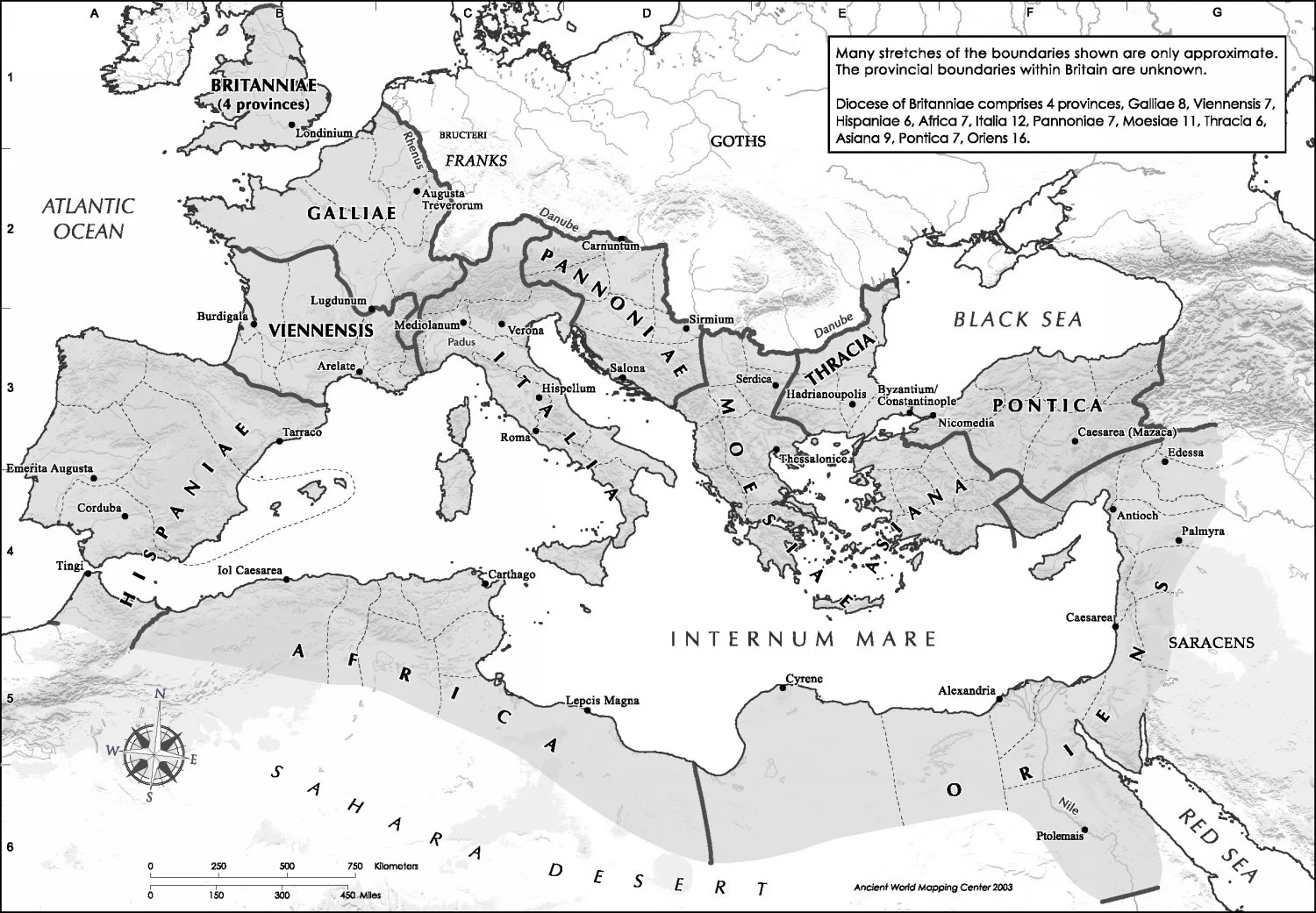
The Mediterranean Diet during the Greek Civilization and the Roman Empire
In ancient Greece, focus shifted to the balance between the mind and body. Hippocrates, considered the father of medicine, separated medicine from religion and emphasized the role of food and exercise in health, stating, "Let food be your medicine, and medicine be your food." Building upon these Greek traditions, the Mediterranean Diet expanded significantly during the Roman Empire (27 BC – 476 AD), an era marked by the symbolism of bread, wine, and olive oil representing rural culture.
The Romans embraced a diet rich in sheep cheese, vegetables, limited meat, fresh seafood, and shellfish. They explored various cooking methods, condiments, and spices, creating a diverse range of delicious and unique foods and sauces. Read Eat like a Romanand Food in the Roman World to learn more.
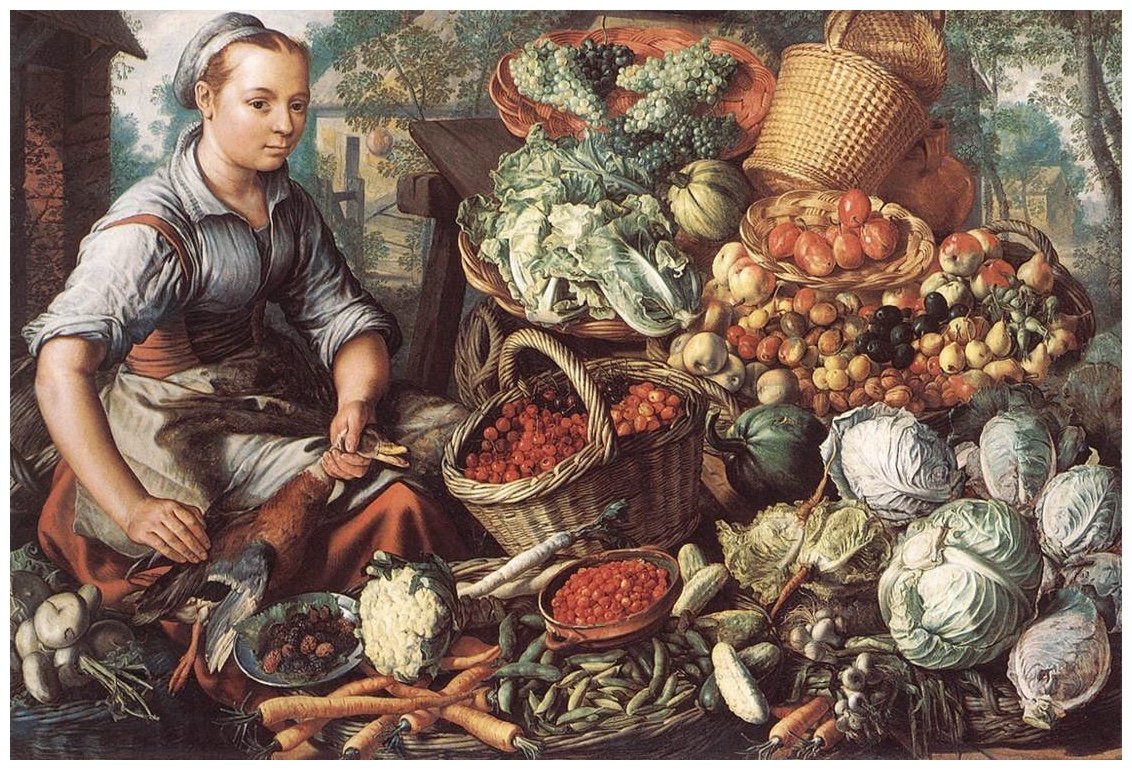
From the Middle Ages to the 1900s: The Mediterranean Basin Adopts a Longevity Lifestyle
Mediterranean countries, united by centuries of shared history, cultural exchanges, and population migrations, maintained a collective identity while allowing for regional differences based on the optimization of local resources. Influences from Arabian caliphates in Southern Europe brought fruit trees, unique architecture, and advanced water management techniques.
In the 15th and 16th centuries, Portuguese and Spanish explorers, driven by the quest for new trade routes, discovered new lands across the Atlantic. They brought novel ingredients back to Europe, incorporating foods like potatoes, corn, and tomatoes—alongside Oriental spices such as cinnamon, cloves, and saffron—into the Mediterranean Diet. This cultural diffusion enriched the global landscape with Mediterranean lifestyles and culinary traditions. Discover more in the article Mediterranean Diet, a Sustainable Cultural Asset.

1939 Lorenzo Piroddi - Are the Italians living longer?
Lorenzo Piroddi (1911-1999) pioneered the concept of the Mediterranean Diet in 1939, promoting a simple and natural-food-based approach to eating in Mediterranean countries. During WWII, he conducted studies on the dietary habits of German, American, and Italian soldiers, revealing that the Italian diet contributed to longer life.
At the Colonia Arnaldi wellness center, Piroddi experimented with a diet focused on cereals, vegetables, and fruits, restricting access to eggs, meat, and dairy. This marked the initial formulation of the Mediterranean Diet, where vegetable fats replaced animal fats to enhance health.
In 1950, Piroddi continued his research in Ghiffa on Lake Maggiore, refining dietary solutions for patients using food and herbal drinks. Renowned for his contributions, Piroddi authored two pivotal books on the Mediterranean Diet, along with numerous recipes. "Risanatevi!" translates to "Restore your health!"—a testament to his dedication to promoting a healthier lifestyle.
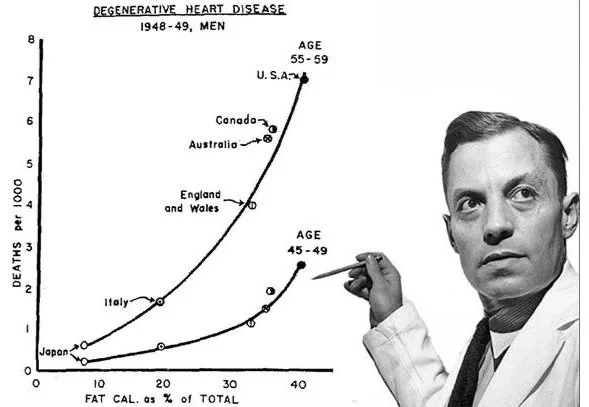
1958 Ancel Keys - The Seven Countries Study started!
Ancel Keys (1904-2004) was a prominent American physiologist and nutritionist known for his significant contributions to understanding nutrition and cardiovascular health. During World War II, Keys served as a United States War Food Administration nutrition specialist. His wartime experiences sparked an interest in the relationship between diet and health, particularly in areas like southern Italy and Greece, where he observed lower rates of heart disease. His fascination with the dietary patterns of these populations led to the famous Seven Countries Study, an epidemiological investigation into the links between diet, lifestyle, and cardiovascular health.
One of Keys' key insights was the potential health benefits of the Mediterranean Diet, characterized by high consumption of fruits, vegetables, whole grains, and olive oil. He hypothesized that a diet low in animal fats, typical of the Mediterranean region, could protect against heart disease.
Keys authored influential works, including "Coronary Heart Disease in Seven Countries" (1970) and "How to Eat Well and Stay Well" (1975), in which he advocated for the rediscovery and daily adoption of the Mediterranean food model. His research laid the foundation for understanding the health-promoting aspects of the Mediterranean Diet.
Professor Ancel Keys passed away in 2004 at the age of 100, leaving behind a legacy of groundbreaking research that continues to influence nutritional science. His work has played a pivotal role in promoting the Mediterranean Diet as a model for heart-healthy eating.
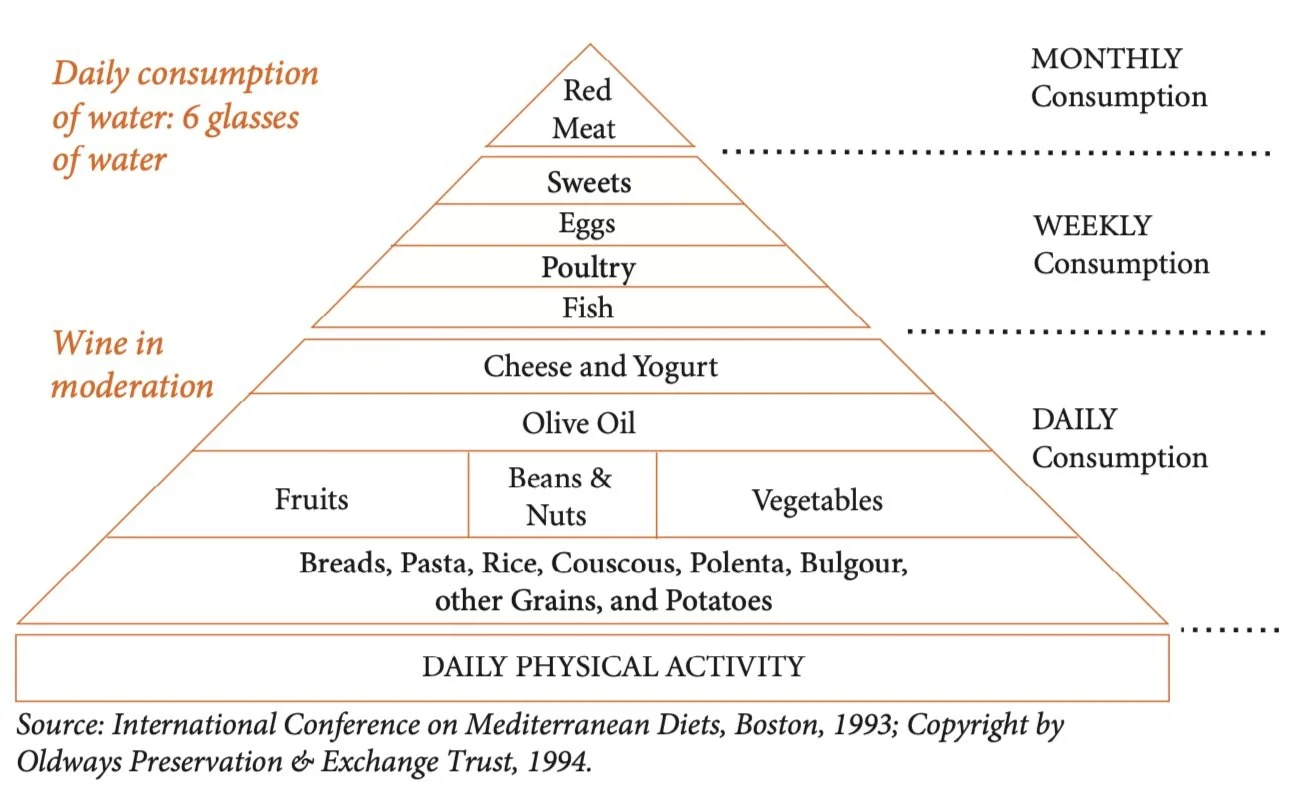
1993 - The first Mediterranean Diet Pyramid from Oldways
In 1993, the Mediterranean Diet Pyramid was introduced by the Harvard School of Public Health, Oldways Preservation, Exchange Trust, and the World Health Organization's European Office. A response to the USDA's food pyramid, it showcased the healthier eating patterns of Crete, Greece, and southern Italy in the mid-20th century. Despite limited healthcare access, these regions exhibited lower rates of chronic illness and higher life expectancies. The pyramid emphasized a diet rich in fruits, vegetables, beans, nuts, whole grains, fish, olive oil, small dairy amounts, and red wine, promoting overall health. It also highlighted the importance of daily exercise and communal mealtime.
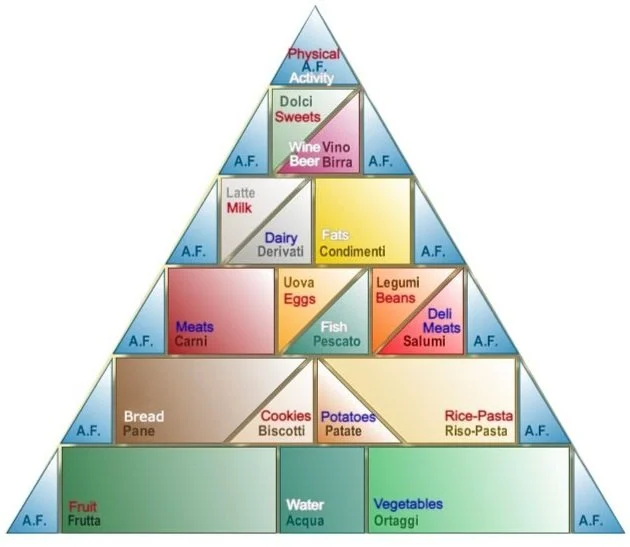
2004 - The first Italian Mediterranean Diet Pyramid
In 2004, the Italian Ministry of Health commissioned a group of experts to design a diet model aligned with Italy's lifestyle. This resulted in the Italian Mediterranean Diet Pyramid being introduced to promote healthier eating. Developed by the Institute of Food Science of the University of Rome, "La Sapienza," led by its director Carlo Cannella, the Italian Mediterranean Diet Pyramid incorporates the Quantity of Well-Being (QB) for food and exercise. It indicates daily and weekly food intake for individuals with a typical activity level, reflecting Italy's food traditions.

2008 - The updated Oldways Mediterranean Diet Pyramid
In response to rising global obesity and chronic disease rates, an international group of scientists has updated the Mediterranean Diet Pyramid, placing greater emphasis on plant-based foods as the foundation of a healthy diet. The revised pyramid highlights the importance of "mostly whole" grains, incorporates herbs and spices for their health benefits and Mediterranean flavor, recommends increased fish consumption, and suggests moderation in the intake of cheese, yogurt, eggs, and poultry. Emphasizing physical activity, shared meals, and choosing water over other drinks, the new pyramid reflects current health insights.
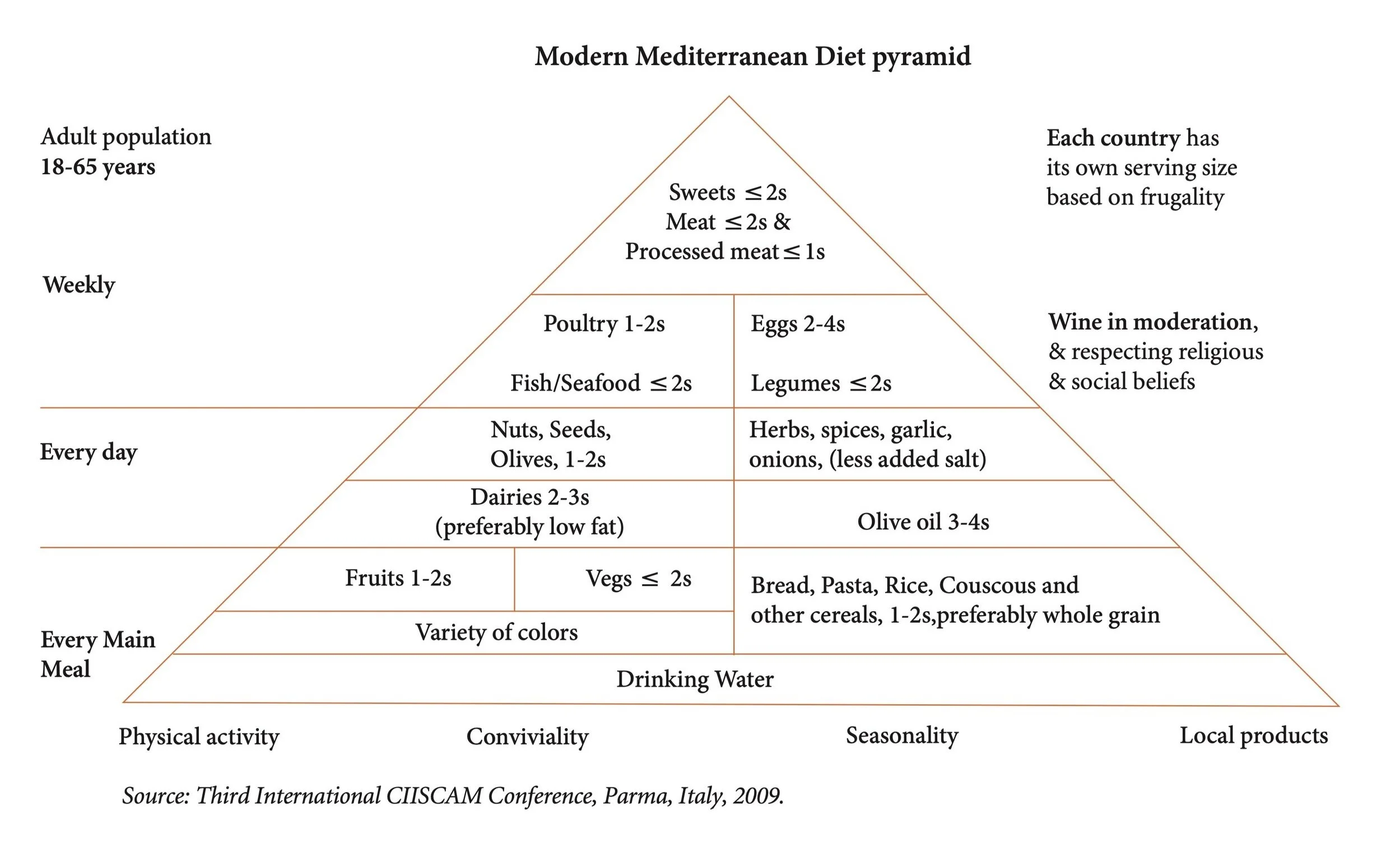
2009 - The Modern Mediterranean Diet Italian pyramid
In 2009, the Mediterranean Pyramid underwent a transformation into a holistic well-being lifestyle model, now known as the Modern Mediterranean Diet Pyramid. Tailored to individuals aged 18–65, it considers modern societal changes and cultural factors. The model encompasses essential nutritional needs while integrating socio-cultural, environmental, and physical activities. The pyramid emphasizes foods that sustain the diet at the base, with those to be consumed in moderation at the top. Beyond prioritizing food groups, it introduces qualitative elements of Mediterranean culture, emphasizing not just what is eaten but how it's cooked and enjoyed, introducing a comprehensive approach to meal composition.
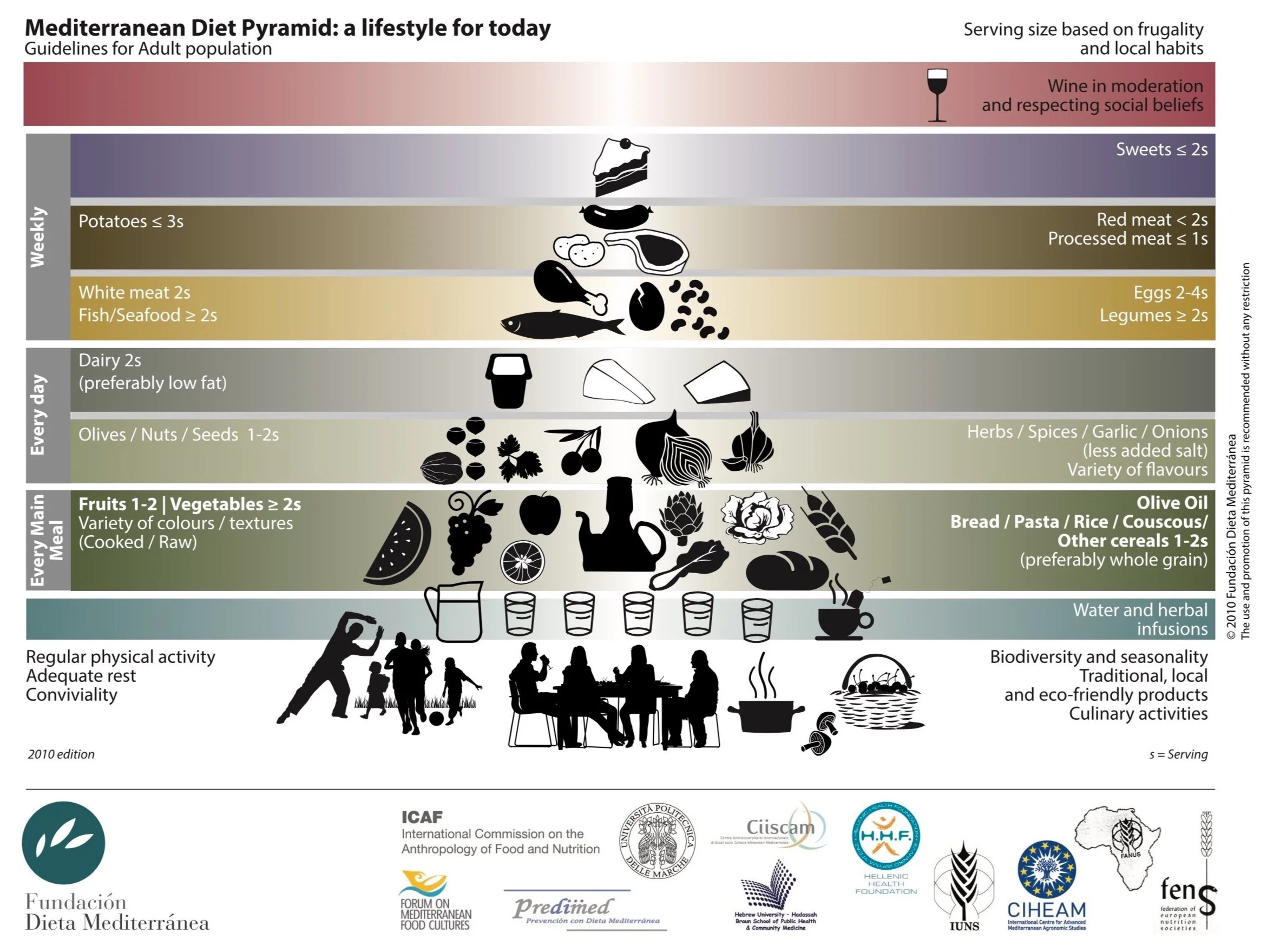
2010 - The Mediterranean Diet Foundation Adapts the Pyramid
In 2010, the Mediterranean Diet Foundation introduced a global pyramid where sweet and sugary foods took the place of red meat at the pyramid's top. This updated pyramid not only integrated healthy lifestyle elements but also emphasized cultural aspects, including socialization, communal cooking, food sharing, seasonality, biodiversity, and eco-friendliness at its base. Regular exercise was highlighted for weight management and overall health. This collaborative effort, rooted in international consensus and backed by recent scientific evidence, aimed to provide a unified framework for promoting the Mediterranean Diet.
2010/13 - The Mediterranean Diet recognition by Unesco
On July 16, 2007, the Agriculture Ministers of Spain, Greece, Italy, and France jointly proposed the Mediterranean Diet for inclusion on UNESCO's Intangible Cultural Heritage List. Following the submission of the transnational nomination file by Greece, Italy, Morocco, and Spain in 2008, UNESCO's Intergovernmental Committee reviewed the request. On November 16, 2010, Koroni, Cilento, Chefchaouen, and Soria were designated symbolic communities. In a 2013 meeting in Baku (Azerbaijan), the Intergovernmental Committee expanded the group of endorsing countries, leading to the inscription of the Mediterranean Diet on the UNESCO Representative List of the Intangible Cultural Heritage of Humanity.
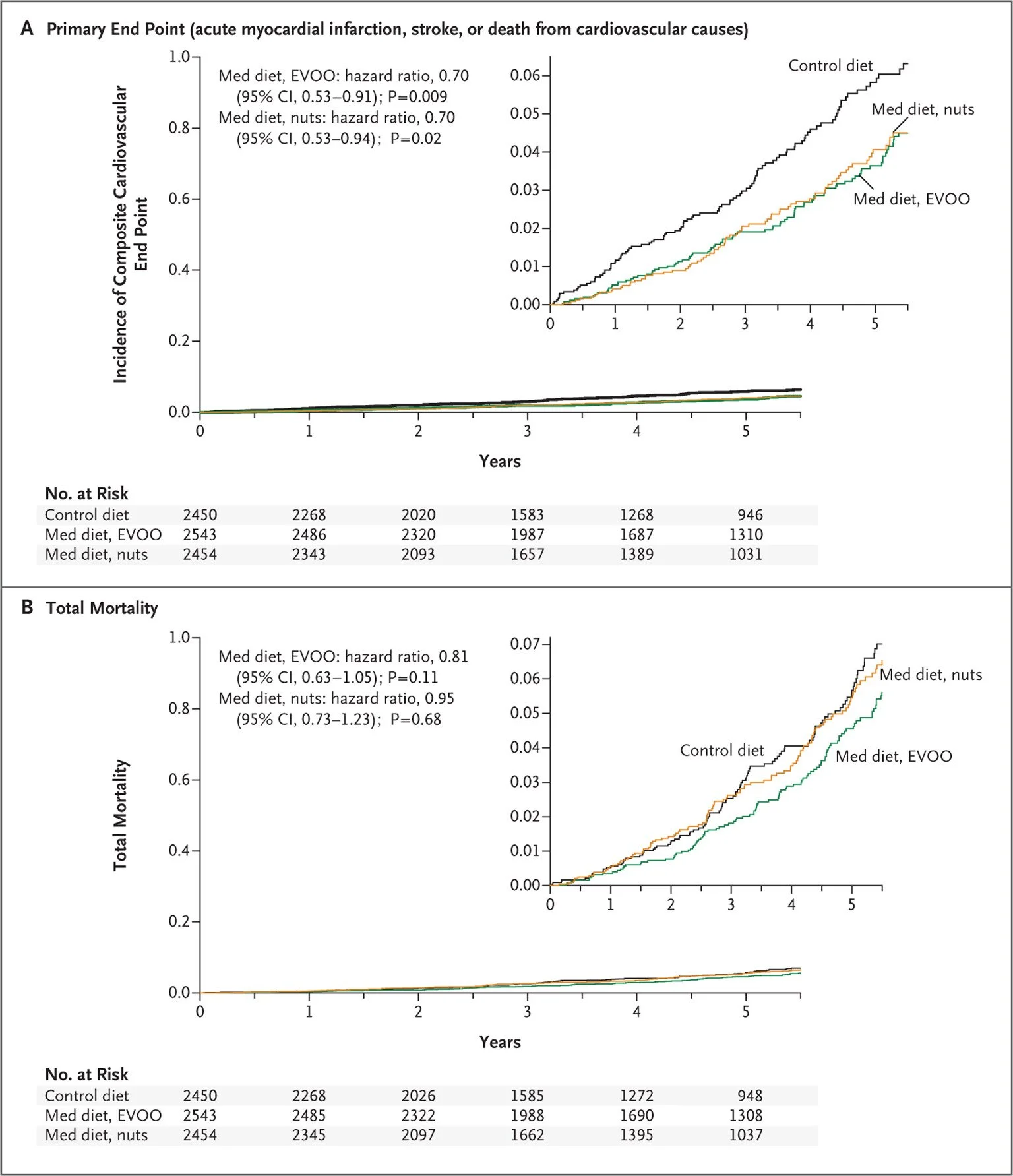
Figure. Kaplan–Meier survival curves from the landmark 2013 PREDIMED clinical trial showing lower rates of major cardiovascular events among participants following a Mediterranean Diet supplemented with extra-virgin olive oil or mixed nuts compared with a control diet. Source: New England Journal of Medicine (2013).
2013 — PREDIMED Study
The publication of the landmark PREDIMED (Prevención con Dieta Mediterránea) clinical trial provided some of the strongest scientific evidence supporting the Mediterranean Diet. Conducted in Spain with more than 7,000 participants at high cardiovascular risk, the study demonstrated that a Mediterranean Diet supplemented with extra-virgin olive oil or mixed nuts significantly reduced the incidence of major cardiovascular events compared with a low-fat control diet. The findings transformed the Mediterranean Diet from a traditional eating pattern into one of the most scientifically supported dietary models for chronic disease prevention.

2015 – Med Diet 4.0: Expanding the Mediterranean Diet Beyond Nutrition
The Mediterranean Diet, long recognized for its cardiovascular and longevity benefits, entered a new phase of scientific development with the introduction of the Med Diet 4.0 Framework during Expo Milano 2015. Researchers recognized that the Mediterranean Diet represented much more than a healthy way of eating—it also reflected environmental sustainability, cultural heritage, economic value, and social well-being.
Med Diet 4.0 introduced a multidimensional approach based on four interconnected benefits:
Health and nutrition
Environmental sustainability
Economic value
Social and cultural heritage
The framework also acknowledged declining adherence to traditional Mediterranean eating patterns, particularly among younger generations. It encouraged preserving local food traditions, biodiversity, seasonal ingredients, culinary knowledge, and shared meals while adapting the Mediterranean lifestyle to modern society.
2016–2022 – The Mediterranean Diet Pyramid Evolves
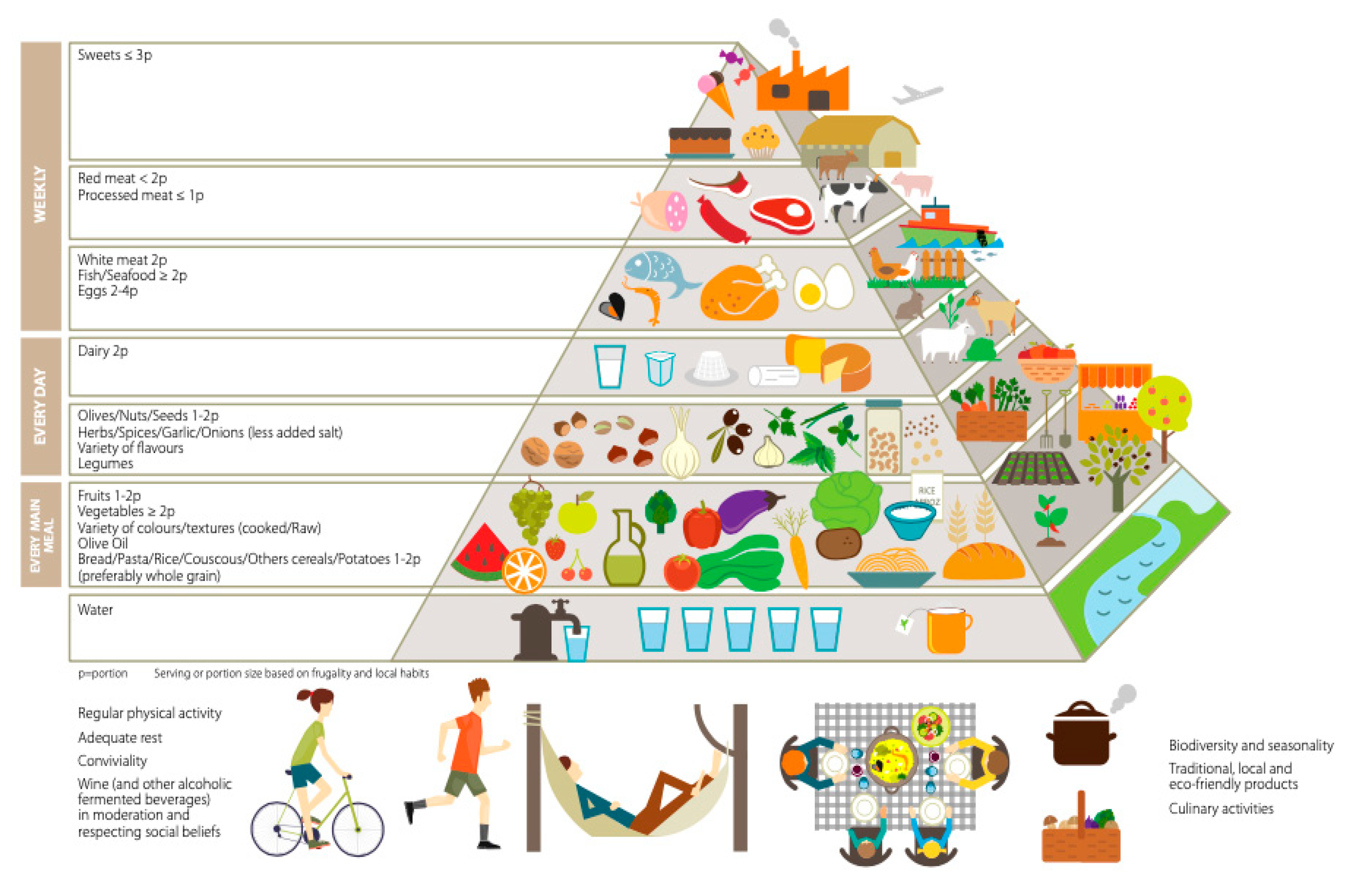
Building upon the Med Diet 4.0 framework, nutrition scientists and international organizations revised the Mediterranean Diet Pyramid to better reflect contemporary nutrition science, sustainability, and modern lifestyles. The updated pyramid continued to emphasize vegetables, fruits, legumes, whole grains, nuts, seeds, and extra-virgin olive oil as the foundation of daily eating. It also encouraged regular physical activity, adequate rest, shared meals, biodiversity, and environmentally responsible food choices.
Crucially, this period integrated cutting-edge research on precision nutrition, with a surge of clinical evidence proving that the diet promotes highly favorable changes in the gut microbiome and circulating metabolites.
Furthermore, these revisions incorporated concepts supported by international initiatives such as the EAT-Lancet Commission, recognizing that food choices influence both personal health and the health of the planet. The Mediterranean Diet became widely recognized as one of the most sustainable dietary patterns due to its significantly lower environmental footprint compared with many Western diets.
2018 – The Italian Dietary Guidelines Modernize the Mediterranean Diet
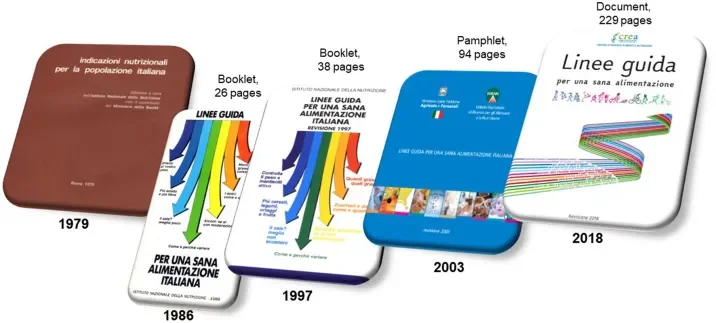
In 2018, Italy published the fourth revision of the Italian Dietary Guidelines (IDGs), updating national nutrition recommendations to reflect the latest scientific evidence on healthy eating, chronic disease prevention, sustainability, and food safety. Built upon the principles of the Mediterranean Diet, the revised guidelines introduced 13 practical recommendations for every stage of life—from infancy through older adulthood—and emphasized balanced eating patterns, physical activity, reduced consumption of highly processed foods, environmental sustainability, and responsible food choices.
2025 — The New Modern Mediterranean Diet Pyramid: An Evolution Based on Science and Lifestyle
2025 New Modern Mediterranean Diet Pyramid — An updated scientific model integrating Mediterranean traditions, nutrition science, sustainability, and modern lifestyle principles.
More than seventy years after nutrition researchers first began studying Mediterranean eating patterns, the Mediterranean Diet continues to evolve as new scientific evidence emerges. In 2025, the Italian Society of Human Nutrition (SINU) introduced an updated representation of the Mediterranean Diet Pyramid, reflecting the need to adapt traditional Mediterranean principles to modern health challenges, sustainability, and changing lifestyles.
Unlike earlier versions that focused primarily on food groups and frequency of consumption, the 2025 pyramid expands the concept of the Mediterranean Diet as a complete lifestyle system.
The Foundation: Lifestyle, Culture, and Sustainability
At the base of the New Modern Mediterranean Diet Pyramid are the essential behaviors that have always supported Mediterranean longevity:
Daily physical activity
Social connection and shared meals
Culinary traditions and cooking skills
Seasonal and local food choices
Respect for biodiversity and sustainability
Reduction of food waste
Foods to Consume Frequently
The 2025 pyramid continues to emphasize the importance of plant-based foods as the foundation of daily nutrition:
Vegetables and fruits
Whole grains
Legumes
Nuts and seeds
Extra-virgin olive oil
Herbs and spices
Balanced Sources of Protein
The updated pyramid recognizes the importance of high-quality protein while maintaining the Mediterranean principle of balance:
Fish and seafood are encouraged regularly
Legumes remain a primary source of plant-based protein
Eggs, poultry, and dairy products are included in moderation
Red meat consumption remains limited
Processed meats should be minimized
A Modern Approach to Grains and Carbohydrates
The New Modern Mediterranean Diet Pyramid recognizes that healthy carbohydrates remain an important component of a balanced diet, provided quality and preparation are prioritized. Whole grains and traditional foods like artisan bread and pasta can be included in appropriate portions when balanced with vegetables, proteins, and healthy fats.
For individuals focused on metabolic optimization, activating the Metabolic Switch through a DGA-aligned approach—such as swapping traditional grains for high-protein integrations and healthy fats—helps prioritize muscle maintenance and avoid the carb crash, while still honoring the dietary framework's core principles.
The Role of Extra-Virgin Olive Oil
Extra-virgin olive oil remains a central element of the Mediterranean Diet. It represents more than a cooking ingredient—it is a symbol of Mediterranean culinary culture and a source of monounsaturated fats and bioactive compounds that contribute to the nutritional quality of meals.
Why the 2025 Pyramid Matters
The New Modern Mediterranean Diet Pyramid represents the next step in the evolution of Mediterranean nutrition. It combines centuries of food traditions, modern nutrition research, updated dietary recommendations, and practical solutions for today's lifestyles.
Its remarkable ability to adapt without losing its identity is one of the reasons it remains among the most respected dietary patterns in modern nutrition science. Through structured programs and the Chef@Home™ service, Meals For Longevity applies these updated Mediterranean principles, translating evidence-based science into personalized, restaurant-quality experiences direct to your table.
Frequently Asked Questions About the History of the Mediterranean Diet
-
The Mediterranean Diet is not a modern invention but the result of thousands of years of culinary tradition developed by civilizations surrounding the Mediterranean Sea. Its roots trace back to ancient Greece and Rome, and it continues to evolve as nutrition science advances.
Learn more: → What’s the Mediterranean Diet?
-
No single person invented the Mediterranean Diet, as it developed naturally over centuries. However, American physiologist Dr. Ancel Keys is widely credited with introducing it to the scientific community.
-
The Seven Countries Study was an influential nutrition study beginning in 1958. Researchers followed over 12,000 middle-aged men in seven countries to investigate how diet and lifestyle affected cardiovascular disease.
Learn more: → About The Seven Countries Study
-
The first internationally recognized pyramid was introduced in 1993. Later revisions incorporated new evidence regarding physical activity, sustainability, and biodiversity. The newest 2025 New Modern Mediterranean Diet Pyramid further integrates current nutrition science and practical guidance for modern lifestyles.
-
In 2010, UNESCO officially recognized the Mediterranean Diet as an Intangible Cultural Heritage of Humanity.
-
Med Diet 4.0 is a modern scientific framework introduced in 2015 that expands the diet beyond nutrition. It identifies four interconnected dimensions: human health and nutrition, environmental sustainability, economic value, and social and cultural heritage.
-
The New Modern Mediterranean Diet Pyramid is the latest scientific evolution developed by the Italian Society of Human Nutrition (SINU) in 2025.
-
While previous versions primarily focused on food groups and frequencies, the 2025 model integrates current scientific evidence with broader sustainability principles.
Continue Exploring
👉 The MFL Program Framework™ Discover how scientific research, culinary medicine, and professional cooking techniques are translated into a practical healthy eating system.
👉 The New Modern Mediterranean Diet Food Pyramid Explore the Mediterranean dietary model that provides the nutritional foundation behind the MFL approach.
👉 The 28-Day Culinary Transformation Program Apply Mediterranean nutrition principles through a structured four-week experience.
👉 MFL Chef@Home™ Experience personalized Mediterranean-inspired meals prepared using the MFL methodology.
👉 Mediterranean Diet Calculator™ Discover how your current eating habits compare with Mediterranean Diet principles.
👉 The 13 Directives of the Italian Dietary Guidelines Read the scientific review outlining the evidence, methods, and recommendations of the Italian Dietary Guidelines.